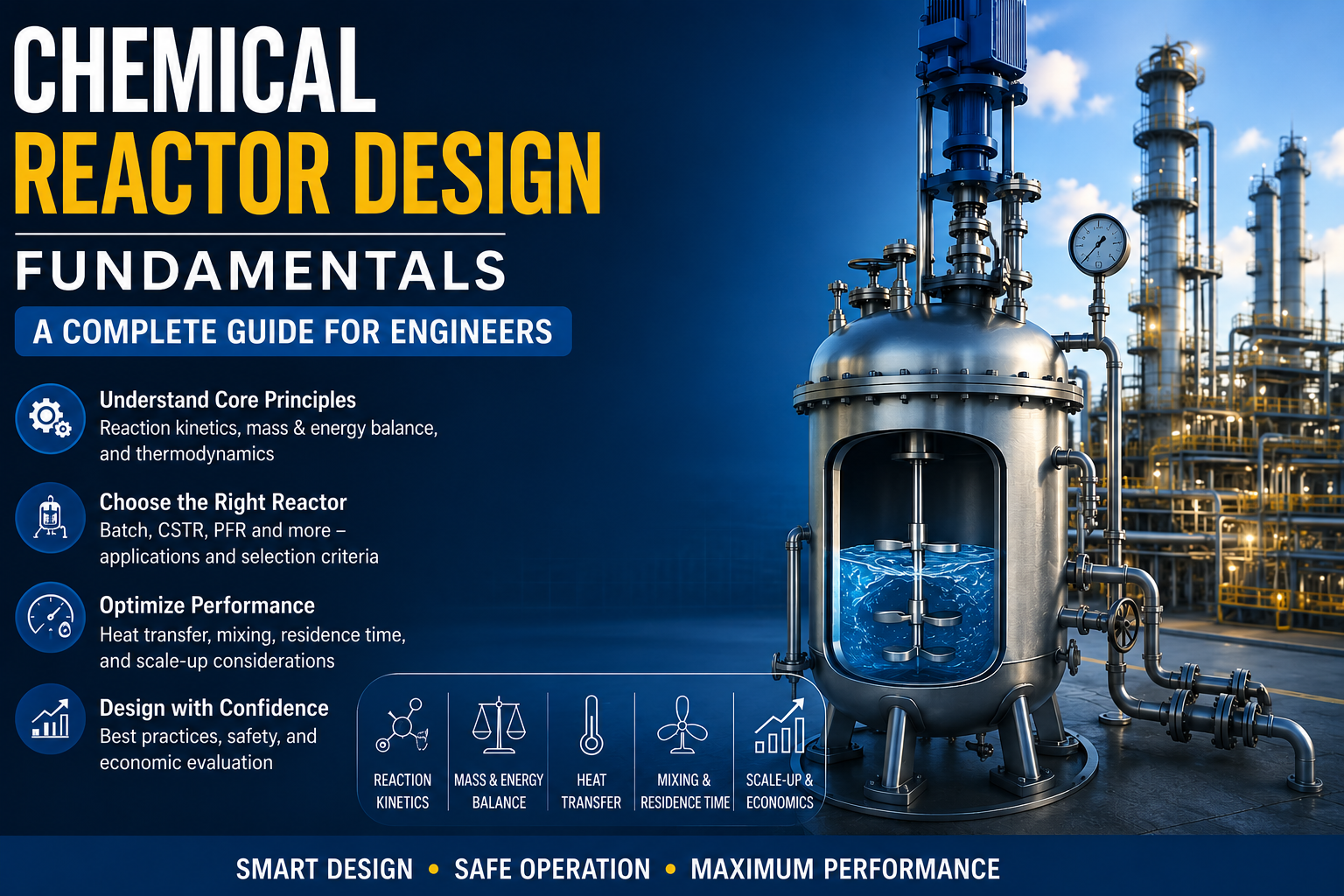
Chemical industries today require advanced engineering tools to improve reactor performance, optimize catalyst activity, reduce operational risks, and increase production efficiency. Modern reactor design software plays a critical role in helping engineers simulate, analyze, and optimize industrial reactors under different operating conditions.
Reactor simulation software is used by industry for predicting the performance of reactors prior to their installation in plants; this reduces overall cost, downtime and engineering uncertainty. Difrex provides industry with advanced reactor engineering solutions to assist them with improving reactor design, kinetic modeling, catalyst optimization and process simulation.
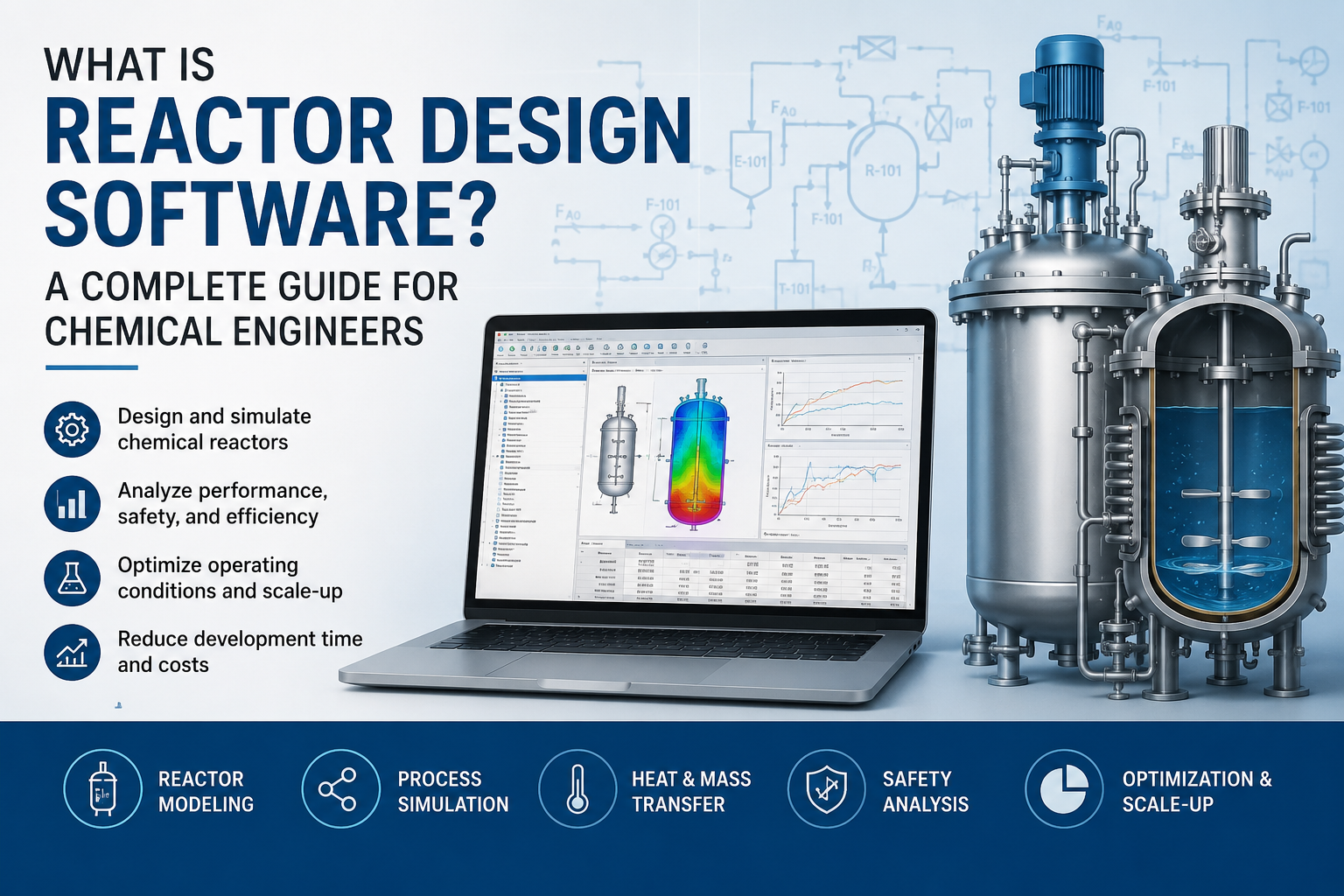
What is Reactor Design Software?
The simulation software for the design of reactors is capable of modeling and analyzing the operation of chemical reactors based upon reaction rate equations, thermodynamic data, operating conditions, and engineering models.
The simulation system assists engineers with studying critical reactor performance characteristics such as:
Reaction Rate Temperature Profile Behavior of Catalysts Heat Transfer Pressure Drop Reactor Conversion Residence Time Reactor Stability Rather than solely relying on trial and error methodology, Industry can digitally assess reactor performance prior to commercialization..
Why Reactor Design Software Matters
Industrial reactors are typically operated at very high temperatures and pressures. There are many other factors that will influence how a reactor performs including the type of catalyst used in a reaction, the composition of the feedstock being fed into the reactor, and the temperature of the reactor.
The slightest change in one of these factors may have a significant impact upon the performance of a reactor. In order for industries to use reactor design software to help them optimize their processes, they need to know what they want to achieve with their use of this software.
Reactor design software can be used by industries to: Improve reactor efficiency Increase product yield Optimize catalyst life Reduce operational risks Improve energy utilization Predict reactor behavior more accurately Minimize downtime and shutdowns Simulation-based optimization also reduces expensive plant experimentation and improves decision making during process development..
Role of Reaction Kinetics in Reactor Design
Reaction kinetics is an important area within reactor engineering. Kinetics models predict how chemical reactions will respond to varying operating conditions.
Engineers can use accurate kinetics models to assess the following:
Conversion rate of reactants.
Selectivity of products formed.
Activity of catalysts.
Effect of temperature on reaction rates.
Stability of the reactor.
The use of advanced kinetics models in simulation provides greater confidence in predicting reactor performance, which enables industries to better optimize their reactors.
Reactor Severity and Catalyst Optimization
Reactor operating severity directly impacts the performance of a catalyst and the longevity of the reactor.
Operating reactors too severely can cause industries to encounter:
Deactivation of the catalyst
Coking of the catalyst
Thermal stress on the catalyst
Reduced life of the catalyst
Instability in reactor operation
Modern reactor simulation software provides engineers with an opportunity to optimize:
The operating temperature
The pressure conditions of the reactor
The amount of time that the reactants remain within the reactor (residence time)
The composition of the feed
Catalyst regeneration cycle frequency
These optimizations provide an increase in the productivity and utilization of catalysts and a decrease in the number of operational issues.
AI and Digital Technologies in Reactor Engineering
Artificial intelligence (AI) has an ever-increasing role to play in the field of reactor engineering, process optimization, and other aspects of modern reactor operation.
With AI-simulated reactor systems, industry professionals will be able to:
Predict when a catalyst will become inactive Identify off-normal reactor conditions Optimize the severity level of reactor operations Improve the overall process efficiency Decrease energy consumption Increase the operational reliability of the reactor system.
Digital twin technology and AI-driven simulation models have allowed industries to begin moving towards smarter and more efficient reactor operations.
Benefits of Online Reactor Design Software
Faster Process Development
Engineers use simulation tools to test how a reactor performs in a digital environment prior to installing it at a facility; this will help reduce the amount of time required for design and increase the productivity of engineers.
Reduced Operational Risk
Engineers can determine if there are dangerous operating conditions or other problems with a reactor prior to starting up the facility. This will lead to increased safety and dependability of the facility.
Improved Catalyst Performance
Kinetics-based optimization of catalysts allows industrial users to optimize their use of catalysts and minimize the rate at which they deactivate.
Better Scale-Up Accuracy
Simulation allows industries to scale up from small-scale lab or pilot plant operations to large-scale commercial production with greater confidence and efficiency.
Cost Optimization
Digital optimization of reactors can help reduce energy consumption, cost of replacing catalysts, number of shutdowns per year, and inefficiency in processes.
Industrial Applications of Reactor Design Software
Reactor Simulation Tools have been utilized by many sectors of industry for a variety of purposes such as:
Petrochemical Processing
Refinery Operations
Hydrogen Production
Polymer Manufacturing
Catalyst Development
Specialty Chemical Production
Environmental Engineering
Advanced reactor engineering consulting solutions assist industries to enhance the performance of their reactor systems and to maintain reliable processes over time.
Key Features to Consider in Reactor Design Software
Choosing the right reactor simulation software is important for achieving accurate and reliable process analysis.
Some important features include:
Accurate Kinetics Models
Reliable kinetic models can enhance simulation precision and the predictability of reactor performance
Multi-Phase Reactor Support
Multi-phase (i.e. Gas-Liquid-Solid) capabilities are important because many modern reactor systems include such interactions.
Heat Transfer Modeling
Thermal analysis should be properly performed to ensure both safety and efficiency of the reactor system.
Catalyst Modeling
The optimization of processes can be enhanced by the analysis of advanced catalyst activity and deactivation.
Scale-Up Capability
Laboratory-to-commercial scale-up analysis will also be supported by a good reactor simulation software.
Frequently Asked Questions
What is reactor design software?
Reactor design software is used for simulating, analyzing and optimizing chemical reactors through the use of engineering calculations, kinetic models and operating conditions.
Why is reactor simulation important?
Reactor simulation helps industries improve efficiency, optimize catalyst performance, reduce risks, and improve overall reactor reliability.
What industries use reactor design software?
Petrochemical, refinery, hydrogenation, catalyst manufacturing, and specialty chemical industries widely use reactor simulation technologies.
What is reactor kinetics modeling?
Reactor kinetics modeling predicts chemical reaction behavior and catalyst performance under different operating conditions.
How does AI improve reactor engineering?
AI helps industries predict catalyst deactivation, optimize operating conditions, improve energy efficiency, and detect abnormal reactor behavior earlier.
Conclusion
Advanced reactor simulation technologies are becoming indispensable tools for today’s chemical and petrochemical industries. These technologies provide better reactor performance and catalyst activity optimization; they also help industry professionals minimize risk while improving their operational efficiencies.
Through the use of a combination of kinetic modeling, AI-based optimization and advanced simulation techniques, industry professionals are able to ensure that their reactors operate safely and reliably.
Advanced reactor engineering solutions from Difrex help industries improve reactor design, process optimization, and catalyst performance for modern industrial applications.