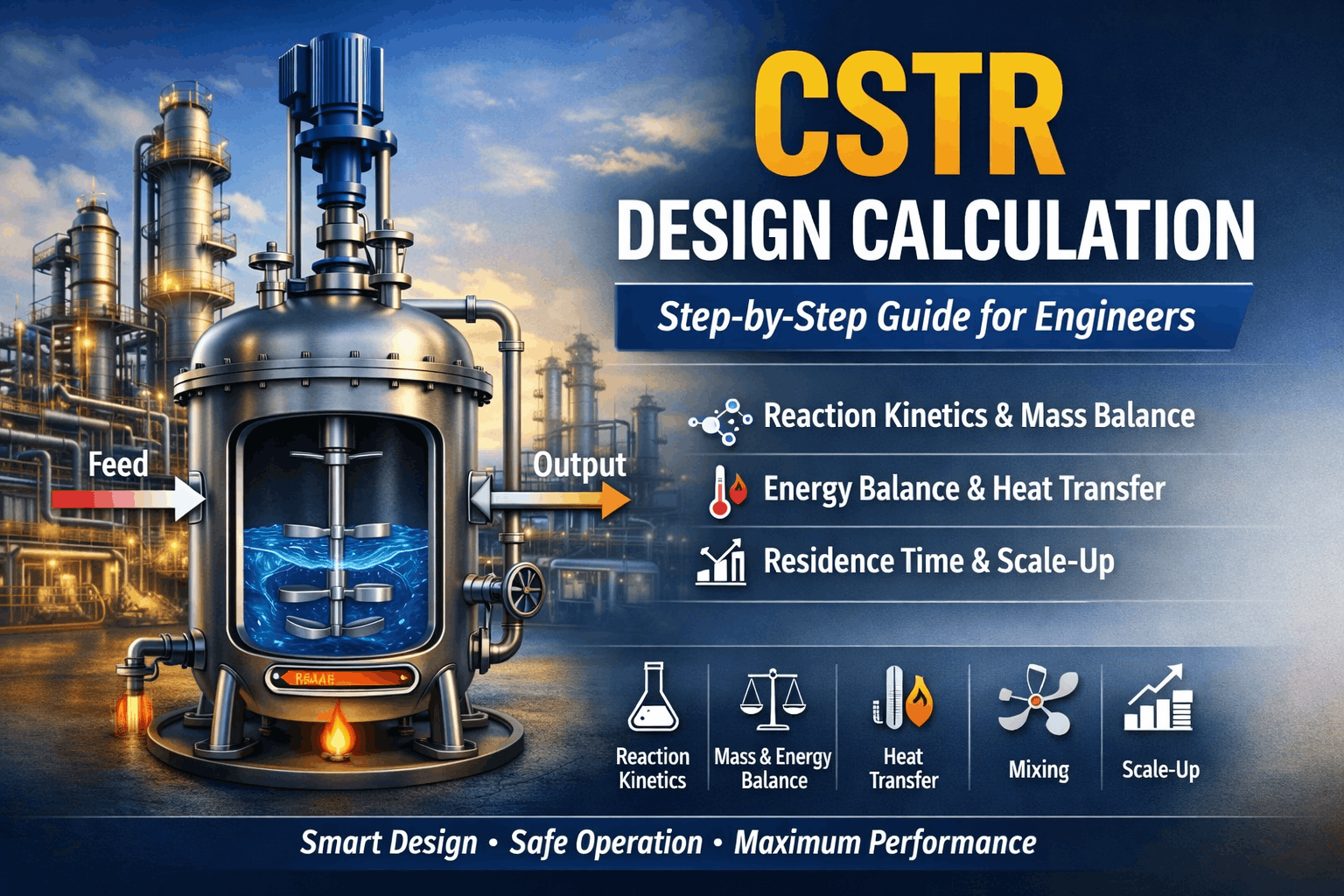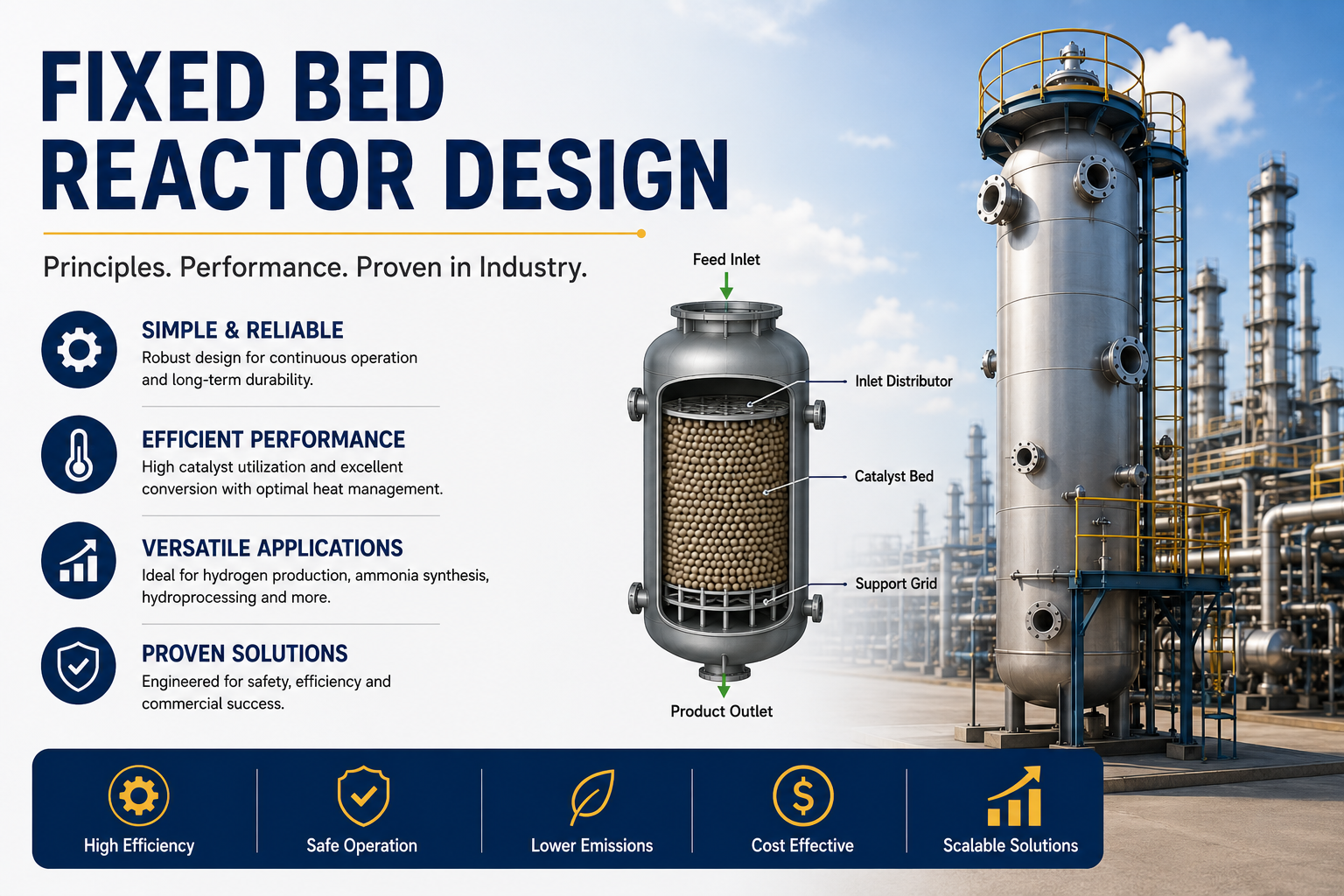
For many years, reactor design has been based upon engineering experience, design standards, and a set of assumptions.
Although this method of designing reactors has enabled the chemical process industry to develop successful chemical manufacturing processes; the current manufacturing environment requires additional features – specifically, increased efficiency, reduced cost, expedited product development, and improved environmental performance.
This shift is changing how engineers approach reactor design.
Moving Beyond Traditional Design
The common practice of designing a reactor typically starts by making some assumptions regarding how the reactor will operate under various conditions including the type of reaction occurring, the rate at which the reactions occur, how well the reactants mix together and at what speed heat is transferred. Once these assumptions have been made they can be verified through calculations, simulations or actual testing using smaller versions of the proposed reactor.
While this method has proven successful; there are many times when engineers must redesign their initial design several times before they find the optimal solution. Each time an engineer must go back and redesign a system, they spend additional engineering time and potentially cause delays in the project schedule.
Therefore today’s engineers are seeking better methods to eliminate uncertainty at the beginning of the design phase.
Optimization is Becoming the New Standard
Today’s reactor engineering has shifted from simply confirming the validity of an initial design assumption to optimizing that design.
Rather than asking
“will this reactor function properly?”,
engineers today are asking
“how can I optimize the design of this reactor so that it performs at its highest level?”.
Engineers can use advanced computer simulations to test many different possible operating conditions prior to building the actual reactor. These include variables such as temperature, pressure, residence time, amount of catalyst used, intensity of mixing and geometric shape of the reactor. The end result is a design that is not only functional but also cost effective.
The Role of Digital Engineering
Digital Engineering has been a game-changer for reactor development.
With simulation technology, engineers are now able to forecast:
Reaction performance
Heat transfer efficiency
Flow distribution
Pressure drop
Conversion and selectivity
Energy consumption
Rather than relying solely on costly pilot studies, companies can use the virtual environment to determine where there may be room for improvement in design and thus reduce development risk while also shortening project timeframes.
Why Optimization Creates Better Business Value
An optimized reactor improves chemical process performance;
however, it has the potential to provide a number of measurable business advantages, such as:
Reduced initial cost of investment
Operating cost
reductions Improved product quality
Increased production efficiency
Improved energy usage
Simplified scale-up from lab to commercial operations
These advantages contribute directly to the overall profitability and longevity of the facility.
Supporting Sustainable Manufacturing
Sustainability has become a major priority across the process industries.
Optimized reactor designs contribute by:
- Minimizing energy consumption
- Reducing raw material losses
- Lowering greenhouse gas emissions
- Improving catalyst utilization
- Decreasing waste generation
As environmental regulations continue to evolve, efficient reactor design becomes an important part of responsible manufacturing.
The Future of Reactor Engineering
The chemical industry is transitioning to a data-rich environment. Engineers will be able to use artificial intelligence, process simulations, computer models and digital optimizations to evaluate the potential impacts of their design choices years in advance of the manufacturing process of the equipment.
Instead of having to accept a single design solution based upon an unalterable set of assumed parameters, companies can now explore several possible optimal solutions to find the solution which provides the greatest value through a combination of performance, cost, safety and environmental sustainability.
This new methodology has created a shift in how engineers are developing reactors for future innovations in industries.