A chemical process begins with a good concept; however, taking this concept from theory (drawing board) into practice (market place) is usually anything but easy. The most successful laboratory reactions when implemented on an industrial scale are typically less effective than what was expected.
There are several difficulties associated with converting laboratory-based processes from the test tube to pilot plant operations such as; (1) loss of product conversion; (2) unexpected byproducts; (3) increase in energy use; (4) decrease in product quality. Not only will these losses reduce profitability, but they may require additional controls or expenses.
The root of the problem is often not in the chemistry itself, but rather in the details of how the reactions are performed inside the reactor vessel.
This is where innovative reactor design becomes essential. Rather than a simple reactor, modern engineers consider it as the center of the complete manufacturing process. By applying their knowledge of reaction kinetics, heat transfer, mass transfer, hydrodynamics, and optimization, engineers can design processes that effectively utilize the reaction vessels to achieve the desired outcome while reducing risks.
What Is Innovative Reactor Design?
The creation of new and innovative designs for reactors is an example of how we engineer reactors to meet the unique requirements of a particular chemical reaction. We accomplish this through analyzing the entire process and then designing the best possible reactor to achieve the highest yield, selectivity, safety, and operational efficiency.
Modern reactor design is a combination of engineering experience and knowledge which has enabled the development of chemical reactors that are capable of operating efficiently at their intended location. Instead of being concerned with “which reactor would be best suited” for a particular process, modern reactor design is concerned with “what does this process require” to achieve its desired performance levels.
Why Traditional Reactor Design Is No Longer Enough
Chemical manufacturers have made many advancements over the past 30 years. Today’s reactors and distillation units must operate with little error (or no error), reduce both the use of energy and emissions, and have the flexibility to respond quickly to new demands from customers. Traditionally, the design of a reactor was determined by a series of assumptions and all of the data that existed at the time the reactor was developed.
Although the conventional method has been found to be successful in most situations where a reactor is used, it has also been demonstrated to be less effective in areas such as; extreme operating conditions or very different operational requirements.
Today’s chemical process industries require new reactor technologies that meet many of the above-listed demands; these demands include:
• Variations in feed property accommodation
• Increased energy efficiencies
• Maximum product yield with minimum unwanted byproducts
• Increased speed of scale-up to commercial-scale production
• Reduction in environmental impacts
• Improvements in both safety and operability
It will be necessary for the chemical industry to develop a more methodical way of designing reactors to help them meet these needs.
The Science Behind Innovative Reactor Design
Every well designed reactor will have a full understanding of the chemical nature of the reaction being carried out.
The first step for engineers to analyze this process is through studying the kinetic properties of the reaction, as these provide information about how quickly a reaction occurs, as well as what speeds up or slows down the occurrence of the reaction.
This information is vital when defining the operating parameters of a process and the type of reactor that would be most effective in producing the desired product.
Reaction kinetics however are just one component of the design procedure.
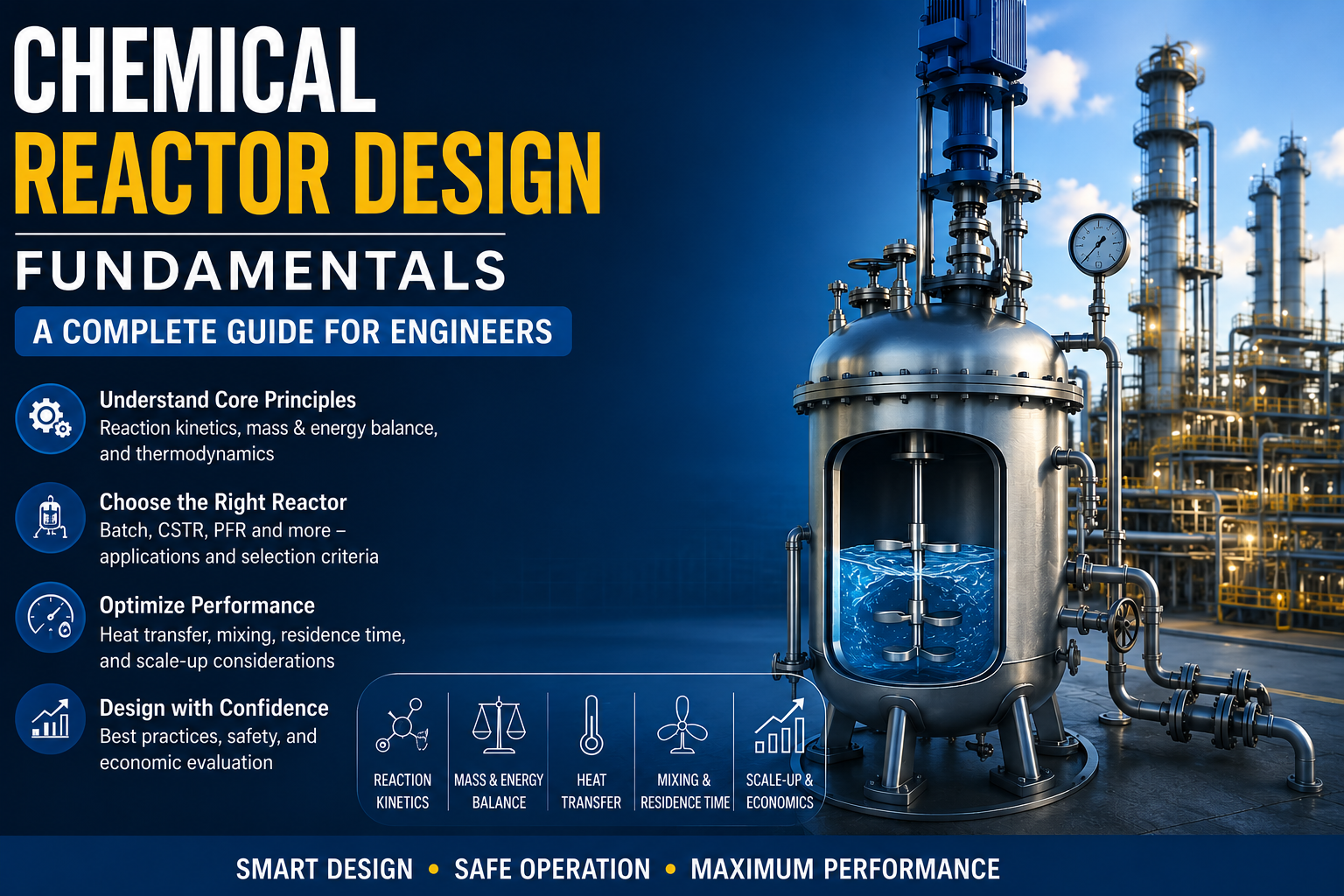
Other elements of the reactor design process include heat transfer, mixing, mass transfer and residence time; all of these contribute significantly to the overall efficiency of a particular reactor.
Once the fundamental principles have been established by engineering personnel, they can identify the critical variables that will determine how well a specific reactor performs.
The Importance of Heat Transfer and Mixing
Temperature is a vital factor in every chemical reaction. Hot spot areas within the reactor may lead to uneven rate of reaction among different parts of the vessel which results in lower selectivity as well as producing unwanted byproducts. In exothermic reactions, the inability to remove excessive heat from the process creates potential hazards.
Likewise, proper mixing is necessary for a homogeneous environment within the reactor.
A system with poor mixing may have local variations in concentration and/or residence time. This could result in decreased conversion and/or decreased product quality.
Many of these factors (temperature control, mixing control, residence time control) will be considered when designing a reactor so as to create an atmosphere favorable to the desired chemical reaction.
Designing for Successful Scale-Up
The greatest challenge faced by chemical engineers is scaling up an already successful process developed within the laboratory to a full-scale production environment.
When a chemical reaction appears to run perfectly in a small lab-based reactor; however, there is no guarantee that this same behavior will be exhibited when the scale of the operation is increased significantly (i.e., from grams to thousands of liters)..
When you increase your size, there are many additional factors that will need to be evaluated (i.e., heat transfer, pressure drops, fluid flows, etc.) which were not present in the initial design. These additional factors can create problems when you begin to operate your new production plant.
By utilizing the information from laboratory studies and mathematical models and simulations, modern reactor design is able to minimize the potential for unforeseen issues upon startup of the production facility. This provides engineers with the ability to assess different options and predict potential obstacles before making a commitment to a particular design and investing a significant amount of money in equipment.
Digital Engineering Is Transforming Reactor Development
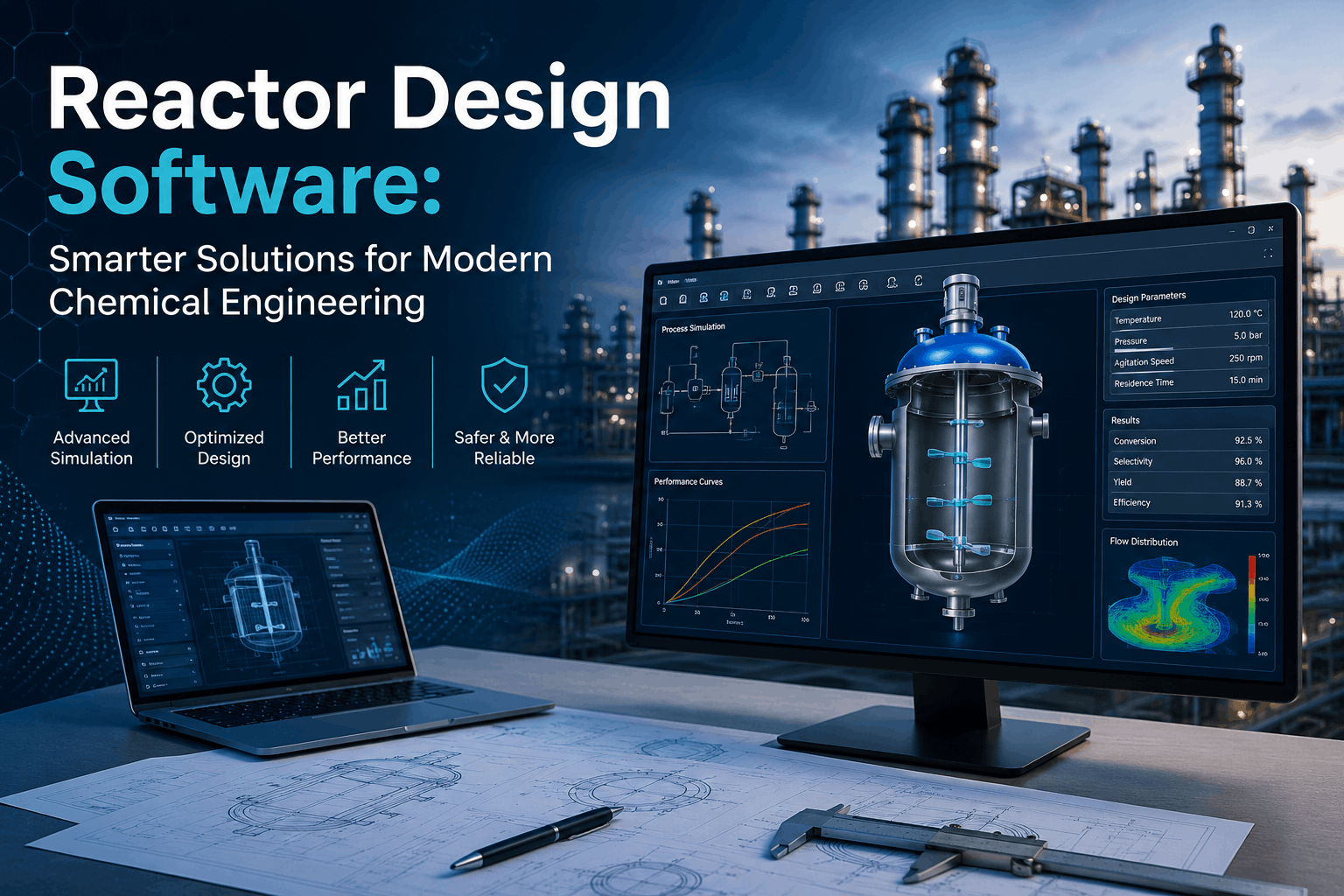
Today’s reactor design process is highly dependent upon advanced computational tools.
Engineers can use these tools to model the performance of a reactor for many different operating conditions prior to the construction of a pilot plant.
These digital models help predict:
- Product conversion
- Selectivity
- Temperature distribution
- Flow characteristics
- Catalyst performance
- Energy consumption
- Pressure drop
By evaluating multiple scenarios virtually, engineering teams can optimize reactor performance while reducing development time, project costs, and technical uncertainty.
Innovative Reactor Design Is an Ongoing Process
A reactor’s design process is not complete once all the equipment has been placed.
When production needs evolve, feed stock is changed, or the catalyst becomes exhausted; then it may become necessary to adjust some of the reactor operating conditions.
A number of ways are available for manufacturers to benefit from periodic evaluation of a reactor’s operation. These include:
Improving the yield of products produced in the reactor.
Reducing the amount of energy consumed by the reactor.
Increasing the time a catalyst will last.
Decreasing the cost of running the reactor.
Enhancing how dependable the reactor is.
Keeping the quality of products consistent.
Continuous improvement of the reactor’s operation will provide continued maximization of the reactor’s performance over its entire operating period.An Integrated Engineering Approach Creates Better Results
Reactor engineering today has moved beyond merely solving the problems that arise in the reactor itself.
The most advanced plant design today is one where the entire process – raw material handling, reaction engineering, separations, and recycling – has been designed to operate optimally as a whole.
Thus, changes occurring in the reactor can either improve the performance of the entire system or detract from its performance.
This type of approach is far superior to analyzing each component of the process separately; it provides insight into how components interact with one another and where potential improvements may be made.
Frequently Asked Questions
What is innovative reactor design?
The act of designing a chemical reactor is known as “reactor design.” The design process involves using reaction engineering principles along with kinetic data, heat transfer calculations, and optimization techniques to create an efficient, safe, and scalable chemical reactor.
Why is reactor design important?
The performance of a reactor is dependent upon its design which will determine the extent of conversion of reactants into products (selectivity), the amount of energy required to operate the reactor (energy requirements), the cost of operating the reactor, the level of risk associated with operating the reactor (safety), and ultimately the profit of the chemical processing facility.
What factors affect reactor performance?
The primary components of reactor design include: reaction kinetics, heat transfer, mass transfer, fluid flow, mixing, catalysts, residence time distribution, and operating parameters.
How does simulation improve reactor design?
An array of choices exists for developing a reactor that will be most efficient. Optimal reactor operation and design can be determined by mathematical simulation. This method makes it possible to determine the best reactor configuration and operating parameters for a given situation. Simulation provides a means to minimize cost in pilot testing and production processes.
Why is continuous reactor optimization necessary?
A reactor’s working environment can vary based on several variables including changes in the feed composition, catalyst properties, or production needs. An ongoing need to improve the process efficiency, product quality and cost-effectiveness of an operation is a major goal that needs to be accomplished through optimal reactor design and control.