
...environment/ CO2/ PTF, energy, coal/ biomass, catalysts, chemicals, petrochemicals, minerals
...environment/ CO2/ PTF, energy, coal/ biomass, catalysts, chemicals, petrochemicals, minerals

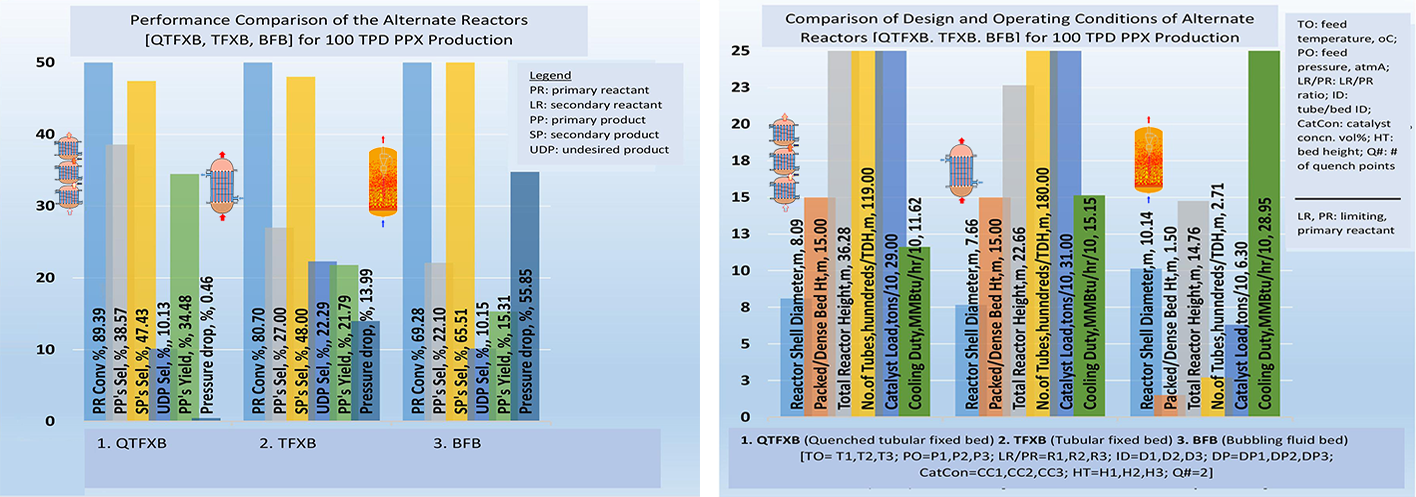
Repeat the steps of the fastest path now for alternate reactors / configurations. Compare and select the best alternative. Combine ROC with COC, the catalyst of choice, for the winning solution. You reach it quickly. Seek the ROC along with COC – not after it.
*Note: Scale-up fear? Scale-up has now matured from art to science for virtually any reactor. So the risk is minimum.
 And, safety is integral to and at the core of all our reactor designs.
Case in point is the POX (partial
oxidation) reactor class that can be inherently unsafe but enjoys the
widest applications in industry. We get to the bottom of it to assure design and operating
conditions far away from unsafe windows.
And, safety is integral to and at the core of all our reactor designs.
Case in point is the POX (partial
oxidation) reactor class that can be inherently unsafe but enjoys the
widest applications in industry. We get to the bottom of it to assure design and operating
conditions far away from unsafe windows. 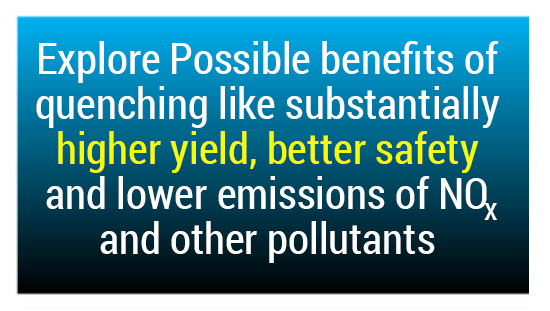

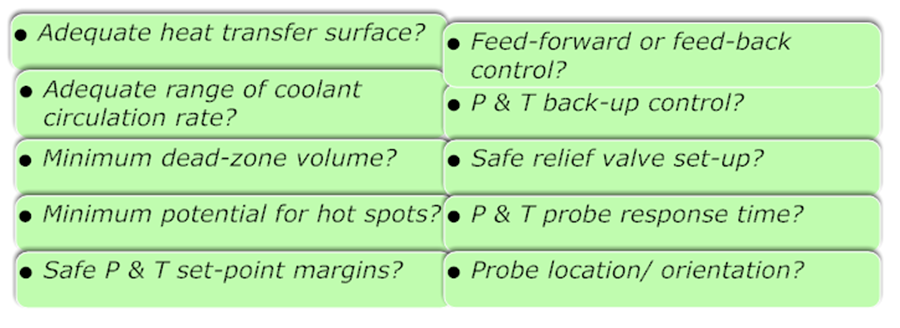
 Reactor Safety: Reactor safety is
integral to our design, optimization and recommended operations. Adequate heat transfer
surface, wide range of coolant circulation rate, minimization of dead zones and potential hot
spots, temperature/pressure high set-points, strategic temperature probe locations, temperature
runaway, inert gas blanketing, automatic pressure/ temperature control, check/relief valve
selection, emission control and
Reactor Safety: Reactor safety is
integral to our design, optimization and recommended operations. Adequate heat transfer
surface, wide range of coolant circulation rate, minimization of dead zones and potential hot
spots, temperature/pressure high set-points, strategic temperature probe locations, temperature
runaway, inert gas blanketing, automatic pressure/ temperature control, check/relief valve
selection, emission control and
safe operating window are among many options that receive due
considerations in our safe reactor design, operation and control.
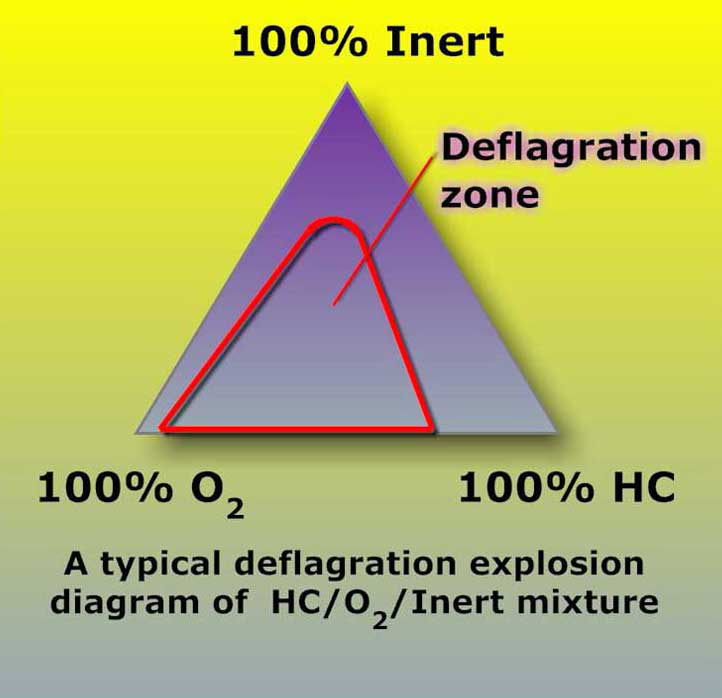
Maintaining reaction mass (gas, liquid, solid or mixture thereof) composition and operating
conditions, in and around the reactor and beyond away from possible Deflagration/ detonation
zones, if necessary, is a key criterion of our reactor design and operation.
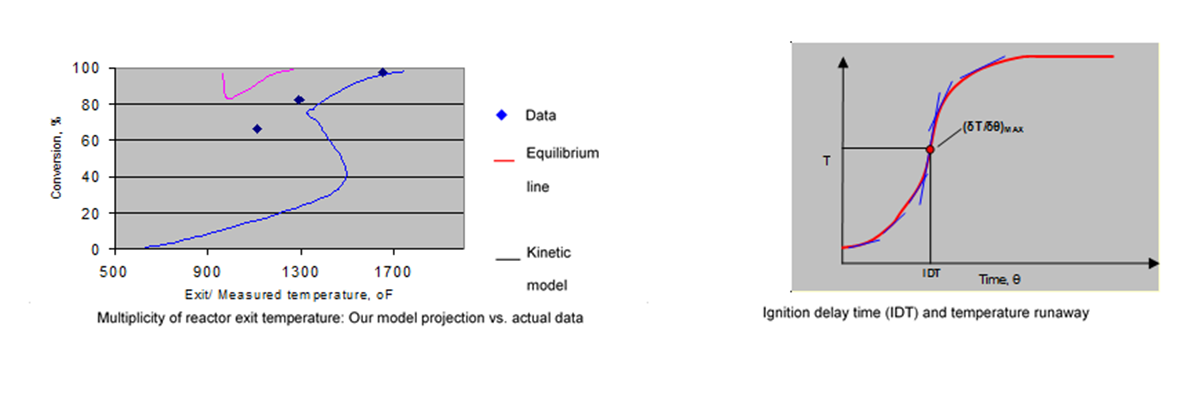
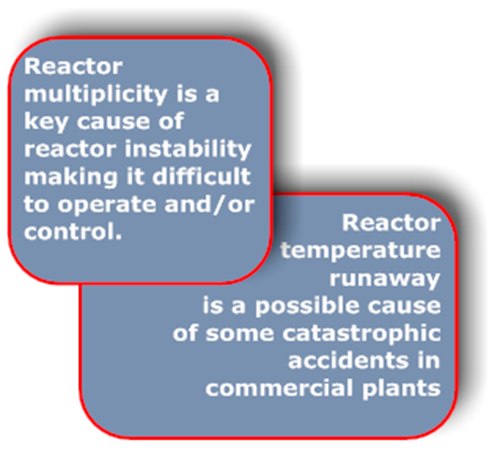 Reactor Multiplicity & Runaway: Temperature runaway and multiplicity of
un-steady state operating temperatures are possible particularly in a reactor involving fast and
highly exothermic reactions. Multiplicity of the unsteady-state operating temperatures makes the
reactor operation and control very difficult although these intermediate or lower operating
temperatures may be more desirable for better product quality, reactor metallurgy and longer
catalyst life. Temperature runaway leads to a stable but very high operating temperature. This
may not only be damaging to the reactor metallurgy but also destructive to product quality and
the catalyst life. The catalyst may fuse leading to partial to total blockage of the flow
passage. Reactor melt-down is the worst case scenario. A cooled multi-tubular reactor
involving an exothermic reaction usually operates with a temperature spike soon after
the feed gas entrance. An optimum design and operation of such reactor prevent
runaway of this temperature spike while assuring optimum
reactor temperature profile for highest reactor yield and reactor safety.
Reactor multiplicity and instability may be caused by various reasons in different reactor/
reaction systems and operating conditions. Our reactor design models have been validated by
actual data on measured temperature spikes, multiple steady sates and runaway
temperatures.
Reactor Multiplicity & Runaway: Temperature runaway and multiplicity of
un-steady state operating temperatures are possible particularly in a reactor involving fast and
highly exothermic reactions. Multiplicity of the unsteady-state operating temperatures makes the
reactor operation and control very difficult although these intermediate or lower operating
temperatures may be more desirable for better product quality, reactor metallurgy and longer
catalyst life. Temperature runaway leads to a stable but very high operating temperature. This
may not only be damaging to the reactor metallurgy but also destructive to product quality and
the catalyst life. The catalyst may fuse leading to partial to total blockage of the flow
passage. Reactor melt-down is the worst case scenario. A cooled multi-tubular reactor
involving an exothermic reaction usually operates with a temperature spike soon after
the feed gas entrance. An optimum design and operation of such reactor prevent
runaway of this temperature spike while assuring optimum
reactor temperature profile for highest reactor yield and reactor safety.
Reactor multiplicity and instability may be caused by various reasons in different reactor/
reaction systems and operating conditions. Our reactor design models have been validated by
actual data on measured temperature spikes, multiple steady sates and runaway
temperatures.
Better Reactor Design combines advanced modeling, reaction engineering, and process optimization to improve reactor efficiency, safety, scalability, and long-term commercial performance.
Reactor Design Made Easy simplifies complex reactor analysis through structured workflows, robust modeling, and engineering tools that support faster and more informed design decisions.
Advanced Reactor Designs improve energy efficiency, optimize catalyst utilization, reduce emissions, and support sustainable chemical manufacturing through smarter reactor operation and design.
Worry-Free and No-Risk Reactor Design solutions help minimize technical uncertainty, optimize reactor performance, and support reliable commercialization with proven engineering expertise.