
...environment/ CO2/ PTF, energy, coal/ biomass, catalysts, chemicals, petrochemicals, minerals
...environment/ CO2/ PTF, energy, coal/ biomass, catalysts, chemicals, petrochemicals, minerals
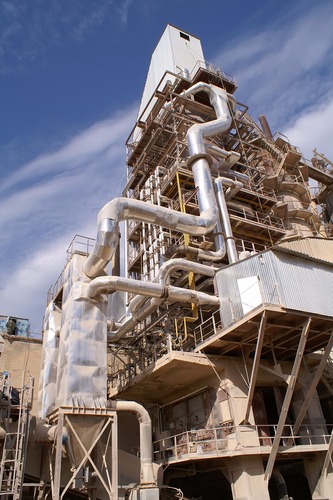
Non-catalytic Reactor: Our added strength is also in the design of non-catalytic
(and mixed - catalytic and non-catalytic) reactors, wherein solids take part in both chemical and
physical transformations. Areas covered include
Combustor/ Incinerator/ Gasifier/ Pyrolyzer
of biomass/sludge/coal/solid fuels,
minerals Roaster/Calciner
, and
Desulfurizer
and
Hg removal
.
Regenerative Gas-Solid Reactor:
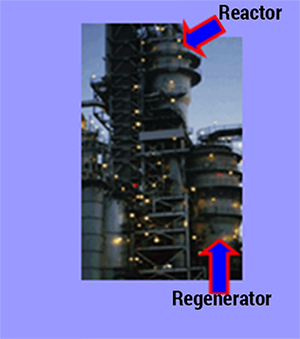 Our design capability includes the so-called ‘duel-bed’ or regenerative gas-solid reactors, such as
an absorber-desorber for removal of contaminants such as S
(in the form of SO2, H2S, Thiophene or others) and Hg, and
catalytic reactor-Regenerator system such as FCC. In these
duel-bed units (non-catalytic or mixed catalytic + non-catalytic bed) one bed operates under the
contaminant absorption and/or reaction mode while the other bed undergoes regeneration. These can be
fixed bed (operating in batch mode), or fluidized/ moving bed (operating in continuous mode)
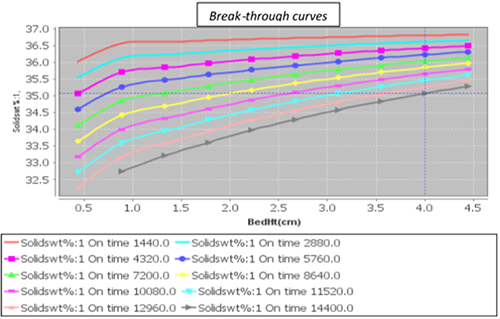
reactors. The design tool we use can generate authentic ‘
break-through
’ curves that may be critical for proper design and operation of both
sides (reactor and Regenerator) of this reactor system particularly for the fixed bed configuration.
Our design capability includes the so-called ‘duel-bed’ or regenerative gas-solid reactors, such as
an absorber-desorber for removal of contaminants such as S
(in the form of SO2, H2S, Thiophene or others) and Hg, and
catalytic reactor-Regenerator system such as FCC. In these
duel-bed units (non-catalytic or mixed catalytic + non-catalytic bed) one bed operates under the
contaminant absorption and/or reaction mode while the other bed undergoes regeneration. These can be
fixed bed (operating in batch mode), or fluidized/ moving bed (operating in continuous mode)
reactors. The design tool we use can generate authentic ‘
break-through
’ curves that may be critical for proper design and operation of both
sides (reactor and Regenerator) of this reactor system particularly for the fixed bed configuration.
Non-Catalytic Reactor Design focuses on reactors where solids participate directly in chemical or physical transformations without using a catalyst. Typical applications include combustion, gasification, pyrolysis, roasting, and calcination.
Non-Catalytic Reactor Design is widely used in biomass processing, coal conversion, waste treatment, minerals processing, environmental control, and energy production.
Yes. Difrex supports regenerative gas-solid reactor systems, including dual-bed absorber-regenerator and reactor-regenerator configurations for contaminant removal and process optimization.
Advanced reactor modeling helps optimize solids flow, heat transfer, residence time, and operating conditions to improve conversion, energy efficiency, and overall reactor performance.
These solutions are ideal for process engineers, energy companies, mineral processors, environmental technology developers, and industries working with gas-solid reaction systems.